

You bought a safe for one reason: to protect what matters most. Cash. Important documents. Jewelry. Firearms. Peace of mind.
That heavy steel box may be built like a tank, but the lock is what stands between your valuables and disaster. And like any mechanical or electronic system, it can wear down, glitch, or fail. The worst part? Most lock failures happen when you need access right now.
Too many safe owners treat their unit as a “set it and forget it” purchase — until the dial sticks, the keypad goes silent, or they’re staring at a locked door with no way in. Avoiding that nightmare doesn’t take advanced skills, just a little routine care.
In this guide, you’ll learn simple, practical maintenance steps for both mechanical and electronic safe locks, so your investment stays secure and reliable.
Understanding Your Lock Type
Safe locks generally fall into two categories, and their maintenance needs are very different.
Mechanical Dial Locks
These are the classic combination locks with a spinning dial. They rely on a series of internal wheels and tumblers. They’re incredibly durable but sensitive to dust and rough handling.
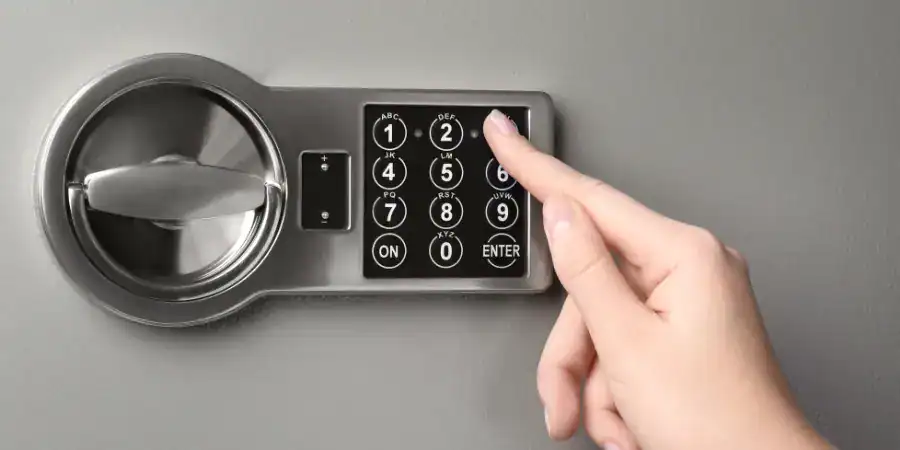
Electronic Keypad Locks
These use a battery-powered keypad to retract the bolt. They’re convenient and allow for quick access, but they introduce electronic components and power sources that need monitoring.
Maintenance for Mechanical Dial Locks
Mechanical locks are precision instruments. The internal tolerances are tight, so even minor disruptions can cause issues.
1. The “Gentle Touch” Rule
The most common cause of mechanical lock failure is user error. Spinning the dial too fast can damage the internal wheel pack. When the wheels spin rapidly and stop suddenly, the internal fly (a small component that engages the wheels) can warp or break.
Tip: Always turn the dial smoothly and deliberately. Don’t “whip” the dial. When you reach your number, stop precisely on the mark. If you overshoot, don’t turn back; restart the entire combination sequence.
2. Keep the Spindle Clear
The spindle connects the dial to the lock body inside the door. Over time, debris can accumulate in the small gap between the dial ring and the dial itself.
Tip: Once a year, use a can of compressed air to gently blow out any dust from behind the dial ring. Don’t try this with high-pressure air compressors, as they can force moisture into the mechanism.
3. Never Lubricate the Lock Yourself
It’s tempting to spray WD-40 or similar lubricants into a stiff dial. Don’t do this. Liquid lubricants attract dust and grit, forming a sticky sludge that eventually will seize the lock.
Tip: If the dial feels stiff or gritty, call a professional safe technician. They use specialized non-grease lubricants that won’t gum up the works.
Maintenance for Electronic Keypad Locks
Electronic locks are lower maintenance than mechanical ones, but their failure points are more abrupt.
1. Battery Management Strategy
Dead batteries are the number one reason people get locked out of electronic safes. Most high-quality locks emit a warning beep when the battery voltage is low, but you shouldn’t wait for it.
Tip: Replace your batteries on a set date each year, like New Year’s Day or your birthday. Use high-quality, name-brand alkaline batteries (like Duracell or Energizer). Avoid lithium batteries unless the manufacturer explicitly recommends them, as their voltage drop-off is sudden rather than gradual, giving you less warning before failure.
2. Keypad Hygiene
Oils from your fingers, lotion, and dust can build up on the buttons. This grime can work its way under the keypad membrane, causing buttons to stick or fail to register presses.
Tip: Wipe the keypad gently with a dry, lint-free cloth every few months. If there is sticky residue, use a slightly damp cloth with a tiny amount of rubbing alcohol, but ensure no liquid drips into the housing.
3. Wire Pinch Checks
If your electronic lock has a battery compartment accessible on the outside, or if you remove the keypad to change batteries, take care with the wires connecting the keypad to the internal lock.
Tip: When snapping the keypad back into place after a battery change, ensure the wires are neatly tucked into their designated channels. Pinched wires can short out the lock or sever the connection.
General Safe Maintenance (Door & Bolts)
The lock controls access, but the bolts and door mechanism do the heavy lifting.
1. Lubricating the Locking Bolts
While you shouldn’t lubricate the lock body, the locking bolts (the thick steel cylinders that slide out of the door) need attention. Friction between the bolts and the safe frame can stress the lock handle and the internal cam.
Tip: Fully extend the bolts while the door is open. Apply a thin film of silicone grease to the bottom and front of each bolt. Cycle the handle a few times to distribute it. Avoid petroleum-based grease, which can damage paint or rubber seals.
2. Checking Bolt Work Alignment
Sometimes the safe settles, or the floor warps, causing the door to misalign. If you have to push hard on the door to get the lock to engage, your alignment is off. This pressure is transmitted directly to the lock mechanism, resulting in premature wear.
Tip: Open the door and throw the bolts. If the handle turns smoothly when open but is stiff when closed, you have an alignment issue. Check the door hinges and ensure no interior items (like shelves or carpet) are obstructing the door.
3. Hinge Care
Squeaky hinges are annoying, but seized hinges are a disaster. Heavy safe doors put immense strain on hinge pins.
Tip: Once a year, apply a drop of high-quality machine oil to the top of the hinge pins while swinging the door back and forth. Wipe away excess oil to prevent drips.
When to Call a Professional
Certain signs indicate the need for immediate professional intervention. If you ignore these, you risk a “drill-and-repair” scenario, which is costly and damages the safe.
Call a safe technician if:
- The dial “drifts”: If you dial your combination correctly but the lock doesn’t open until you try numbers slightly off-mark, your wheel pack is loose.
- Unusual noises: Grinding, clicking (where there shouldn’t be), or rattling inside the door panel.
- Intermittent failure: If an electronic lock works only “sometimes,” the solenoid or keypad is failing. It will eventually fail permanently.
- Physical damage: If someone attempted to break into the safe, have it inspected even if it looks fine. Internal relockers (safety devices that jam the bolts during an attack) may be partially engaged or damaged.
FAQs About Safe Maintenance
How often should I change the batteries in my electronic safe lock?
You should change the batteries at least once a year, regardless of how often you use the safe. If you use the safe daily, consider changing the batteries every 6 months. Always use fresh, high-quality alkaline batteries with an expiration date at least 4-5 years in the future to ensure consistent voltage output.
Can I change my mechanical lock combination myself?
Technically, yes, specialized change keys exist for this purpose. However, we advise against it. The procedure requires precise alignment. One small mistake during the change process can set the lock to a combination you don’t know, leaving you locked out with the door open — or, worse, closed. It is safer and cheaper to hire a locksmith to do it.
What should I do if my electronic keypad stops responding?
First, replace the battery with a brand-new, high-quality alkaline battery. If that doesn’t work, check the battery contacts for corrosion. If the keypad beeps but the bolt doesn’t retract, the issue might be the internal solenoid or bolt work binding. Try pushing in on the door while entering the code to relieve pressure on the bolts. If it remains unresponsive, contact the manufacturer or a safe technician.
Is a mechanical lock more reliable than an electronic one?
Mechanical locks have a longer theoretical lifespan because they have no electronic components that can fail. A well-maintained mechanical lock can last decades. However, electronic locks are incredibly reliable today and offer convenience and features (like audit trails) that mechanical locks cannot. Reliability often comes down to user maintenance rather than the technology itself.
My safe handle is hard to turn. Should I force it?
Absolutely not. Forcing the handle can shear off internal pins or damage the cam mechanism. Stiffness usually indicates that the bolt work is binding against the frame or that the mechanism needs lubrication (on the bolts, not the lock). Press firmly on the door while turning the handle; if it opens, you likely have a door alignment or obstruction issue.
Does my safe need to be bolted to the floor for the lock to work correctly?
Bolting the safe down is vital for security, but it also helps with lock function. If a safe isn’t leveled properly, the heavy door can swing open or closed unexpectedly, putting strain on the hinges and potentially warping the frame over time. A warped frame leads to bolt misalignment, which stresses the lock. Ensure your safe is level and bolted securely.
What is a “relocker,” and do I need to maintain it?
A relocker is a hidden security device inside the safe door that fires (locks the bolts permanently) if the lock is punched or drilled during a burglary attempt. You generally can’t and should not attempt to maintain the relocker yourself. However, slamming the safe door hard can accidentally trigger a sensitive relocker. Always close your safe door gently.
Can I use WD-40 to clean my safe dial?
No. Never use WD-40 or any standard household lubricant on a safe lock. These products dry into a sticky film that collects dust and debris, eventually causing the tumblers to stick. If your dial is stiff, it requires professional cleaning and lubrication with specialized products.