

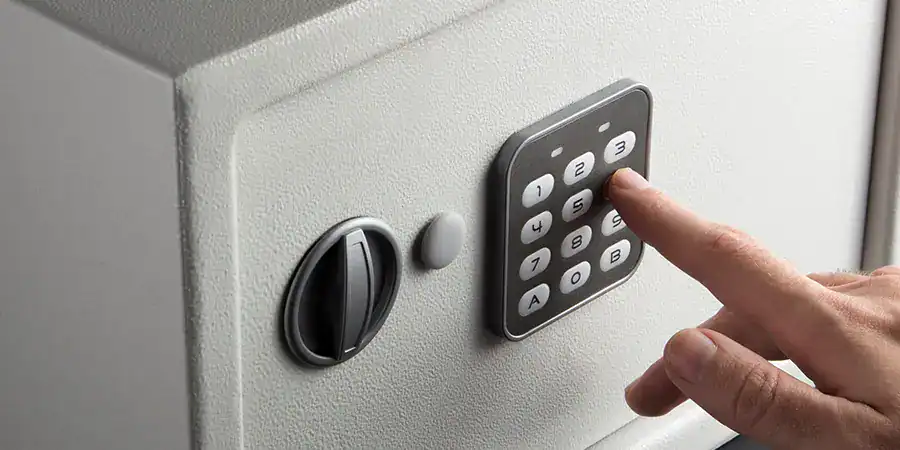
Budget safes can keep out casual snoops and spur-of-the-moment thieves, but when things get serious, they tend to buckle under pressure. Most low-cost models offer minimal protection against fire, water, or determined break-ins.
If you live in Southern California, where wildfires and earthquakes are part of the landscape, a heavier, independently tested safe is a smarter investment. In flood-prone areas, water resistance is more important. The “right” safe depends on what you’re trying to protect.
No matter what safe you decide to purchase, make sure it is secured. A safe that isn’t bolted down is basically a box that’s already packed for burglars.
Do You Really Need a Safe?
Short answer: Probably.
Think about the things you would want after a disaster or theft—insurance documents, passports, birth certificates, backup drives, family keepsakes, valuable jewelry. A safe isn’t just a box; it’s your last line of defense when other things go sideways.
It’s tempting to grab the cheapest option and call it a day. But when your “safe” is a weak link, that bargain can turn into a liability.
Why Cheap Safes Are So Tempting
Easy on Your Wallet
Budget safes are appealing precisely because they’re inexpensive. Many cost under $100, making them accessible for basic needs like locking up medications or keeping curious kids out of drawers.
A Basic Deterrent
Most burglaries are crimes of opportunity. A thief is usually looking for a quick score—in and out in under five minutes. If they spot a safe, even a cheap one, they have to make a choice: “Do I spend five minutes trying to pry this thing open, or do I just grab the TV and leave?” Often, the mere presence of a lockbox is enough to deter a petty thief.
Portability
Cheap safes are easy to move and install. You can tuck one into a closet or under a desk without worrying about structural support or calling in reinforcements.
The Not-So-Safe Side of Cheap Safes
No Fire and Water Protection
Many budget safes lack proper insulation. In a fire, the interior can heat up fast enough to destroy paper documents. Water protection is usually minimal, too, meaning sprinklers or leaks could do just as much damage.
Thin Steel, Weak Locks
Lower-cost safes often use thinner steel and less durable locking mechanisms. A determined burglar with basic tools can break in surprisingly quickly. Some models are so flimsy that they fail under impact. Many of these units are essentially sheet metal that can be bent or pierced with standard tools you might have in your own garage.
The “Grab and Go” Risk
Because these safes are light, they are incredibly easy to steal. A thief might not be able to crack your safe, but if it’s not bolted down, they’ll just pick it up and walk out the door with it. Without anchoring, you’re packaging your valuables for them to be carried away.
How to Evaluate a Safe
1. Pay Attention to Steel Thickness
In the world of safes, lower numbers mean thicker steel. You want a low gauge number. Cheap safes are often 14 or 16-gauge (thin). Look for 12-gauge or lower if you want something that will actually put up a fight against a power tool.
2. Look for the “UL” Stamp
Look for an official Underwriters Laboratories (UL) rating. This is an independent organization that conducts rigorous testing of these safes. If it has a UL Residential Security Container (RSC) rating, it has been tested to survive actual attacks.
3. Check the Locking System
Multi-directional locking bolts and a reliable mechanism are essential. You want “active bolts” that lock the door into the frame on multiple sides. If you’re going electronic, look for a redundant mechanical override (a physical key) so you aren’t locked out if the batteries fail.
4. Consider Buying Local
Online shipping is convenient. But shipping a heavy safe is expensive. If you buy from a local locksmith or a safe dealer, you save on shipping. More importantly, you can walk in, feel the weight of the safe, test the hinge, and ask a professional questions. Plus, they might offer installation, which saves your back.
Installation: Make it Permanent
You’ve done your research and bought a solid safe. Now, how do you make sure it doesn’t walk away? Bolting it down is the single most effective security upgrade you can do.
The Setup:
- Location: Concrete rules. A concrete slab floor is the most secure mounting surface. Avoid wood floors unless you are drilling into the joists, which requires some serious hardware.
- The “Master Bedroom” Trap: Avoid putting your safe in the master bedroom. It’s one of the first places a burglar looks. Think about a guest closet, a utility room, under the stairs, or a corner in the garage.
Step-by-Step Installation:
- Positioning: Place the safe where you want it. Open the door and check for the pre-drilled holes in the bottom.
- Marking: Grab a marker and trace those holes onto the floor. Move the safe.
- Drilling: Get your hammer drill and a masonry bit. Drill down. Drill a little deeper than your anchor, so the bolt doesn’t bottom out.
- Cleaning: Use a shop vac to suck out the concrete dust. If you leave the dust in the hole, the anchor won’t bite into the concrete, and you’ll have a “loose” safe.
- Setting: Put the safe back, slide your wedge anchors through the holes, and tap them in.
- Tightening: Use a socket wrench to tighten the nuts. As you tighten, the anchor expands and grips the concrete. Once it’s tight, that safe stays there.
The Bottom Line: Be Smart, Not Just Cheap
There is no shame in having a budget. But there is a huge difference between a “lockbox” and a “safe.”
If you’re storing passports, old photos, documents, or birth certificates, a decent, bolted-down, mid-range safe with a UL rating is going to give you peace of mind that a cheap plastic-keypad box just can’t match. Assess your risks (wildfires, theft, floods) and match your safe to those threats.
Invest in the hardware, bolt it to the ground, and rest easy knowing your most important things are actually tucked away, not just sitting in a box that’s easy to carry off.
FAQs: Cheap Safes Pros & Cons
Q: Are cheap safes fireproof?
Most aren’t. If the label just says “fire-resistant” without a UL rating, assume it won’t save your papers in a house fire. For real protection, you need a unit rated to withstand 1,200+ °F for at least 30 minutes.
Q: What does a UL rating really mean?
It means the safe has been independently tested for resistance to break-ins, fire, or other hazards, so you’re not just taking the manufacturer’s word for it.
Q: Is a heavier safe always better?
Generally, yes. Heavier safes are harder to remove and often made with thicker materials, but they should still be bolted down. If a safe weighs less than 100 pounds, it’s a “grab and go” risk. Even if it’s heavy, if it’s not bolted down, a thief can simply carry it out.
Q: Do I need fireproof and waterproof features?
If you’re protecting documents or electronics, absolutely. Fire and water damage are more common than most people think.
Q: Where is the best place to install a safe?
Avoid the master bedroom closet—that’s where almost every burglar looks first. Aim for less obvious, low-traffic areas like a guest room closet, a utility room, or tucked under the stairs.
Q: Can I move my safe later if it’s bolted down?
Yes, but it will take some effort. Anchors can be removed, though you may need to patch the floor afterward.
Q: Should I get a digital keypad or a manual dial?
It’s a trade-off. Digital keypads are faster—great if you need to get in quickly in an emergency. Manual dials are “old school” but incredibly durable and never need battery changes. Both have pros and cons.
Q: What’s the biggest mistake people make when buying a safe?
Focusing only on price. A safe should match the risks you’re protecting against, not just your budget.