

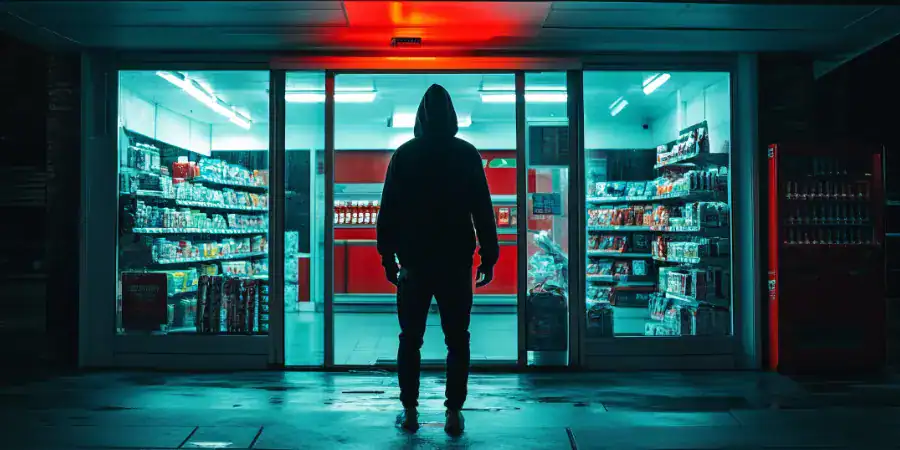
It’s another busy day at the store. You’ve moved merchandise like a master salesperson, handled customer questions, ordered new inventory, and balanced the books. Your day is done, right?
Wrong.
Closing time brings a new set of challenges. When the lights go out and employees leave, your assets become vulnerable. Unauthorized entry, vandalism, and theft are real risks that can ruin a business.
Securing your business requires a multi-layered approach. Relying on a single lock is rarely enough to deter determined criminals. This guide outlines practical and effective strategies to protect your property after hours, ranging from physical reinforcements to advanced technological solutions.
1. Reinforce Physical Entry Points
Strengthening physical barriers delays intruders and often discourages them from attempting a break-in altogether.
Upgrade Locking Mechanisms
Standard locks are often easily bypassed. High-security options provide necessary resistance against picking, drilling, and bumping.
- Deadbolts: Install Grade 1 commercial deadbolts on all exterior doors. These offer the highest level of security testing.
- Cylinder Guards: Use guard plates to prevent wrenches or pliers from gripping the lock cylinder.
- Key Control: Implement a restricted key system. This prevents unauthorized duplication of keys by employees or third parties.
Secure Glass & Windows
Windows are often the weakest point in a building’s perimeter. Reinforcing them prevents “smash and grab” theft.
- Security Film: Apply shatter-resistant film to glass doors and windows. This holds the glass together even if broken, delaying entry.
- Window Bars: Install metal grates or bars on rear or side windows that aren’t visible from the street. Ensure they have internal quick-release mechanisms for fire safety.
- Glass Break Sensors: Integrate sensors with your alarm system that trigger immediately upon the sound or vibration of breaking glass.
2. Optimize Exterior Lighting
Criminals prefer to operate in darkness. A well-lit exterior removes hiding spots and increases the likelihood of an intruder being seen by patrols or passersby.
Strategic Light Placement
- Entryways: Brightly illuminate all doors, including rear delivery entrances.
- Parking Lots: Ensure adequate lighting covers the entire parking area to protect company vehicles and employees leaving late.
- Perimeters: Light the sides and back of the building, where shadows typically form.
Lighting Types
- Motion-Activated Lights: These startle intruders and draw attention to movement. They’re energy-efficient as they only activate when needed.
- LED Floodlights: These provide high-intensity illumination and have a longer lifespan than traditional bulbs, reducing maintenance frequency.
- Dusk-to-Dawn Photocells: Automate your lighting schedule so that lights are always on when it’s dark, regardless of the season.
3. Implement Access Control Systems
Managing who can enter your building and when is crucial for after-hours security. Standard keys can be lost, stolen, or copied without your knowledge.
Electronic Access Benefits
- Audit Trails: Track exactly who entered the building and at what time. This data is vital during internal theft investigations.
- Instant Deactivation: Immediately revoke access rights for former employees or lost credentials without needing to re-key the entire facility.
- Time Restrictions: Program credentials to work only during specific hours, preventing employee access late at night unless authorized.
4. Deploy Surveillance & Monitoring
Visible cameras serve as a deterrent, while recorded footage provides evidence in the event of a crime. Modern systems allow for remote management, keeping you connected to your business 24/7.
Camera Considerations
- High Resolution: Opt for 4K or 1080p cameras to ensure facial features and license plates are identifiable.
- Night Vision: Cameras should have infrared capabilities to record clear footage in low-light conditions.
- Remote Viewing: Choose systems with mobile app integration so you can check live feeds from your smartphone.
- Cloud Storage: Back up footage to the cloud to prevent data loss if the physical recorder is stolen or damaged.
Alarm Systems
- Monitored Alarms: Connect your system to a 24/7 monitoring center that can verify alarms and dispatch police immediately.
- Silent Alarms: These alert authorities without notifying the intruder, increasing the chance of apprehension.
- Cellular Backup: The alarm should communicate via cellular networks so it functions even if phone lines are cut.
5. Establish Closing Procedures
Consistent closing routines ensure that all security measures are active before the last person leaves.
The Closing Checklist
Create a physical or digital checklist that must be completed on a daily basis.
- Perimeter Check: Verify all windows and doors are locked.
- Alarm Activation: Arm the security system in all zones.
- Cash Management: Move cash from registers to a secure drop safe. Leave register drawers open and empty to show they contain no money.
- Light Check: Confirm essential security lights are functioning.
- Clear Desks: Store sensitive documents and expensive electronics like laptops in locked cabinets.
6. Leverage Landscaping & Environmental Design
Crime Prevention Through Environmental Design (CPTED) uses the physical environment to reduce opportunities for crime.
Landscaping Tips
- Keep shrubs near windows and walkways trimmed below 3 feet to eliminate hiding spots.
- Trim tree branches up to 6 feet to maintain clear sight lines across the property.
- Place gravel under windows. The noise created by walking on it can deter intruders.
Barriers & Fencing
- Install robust fencing around the rear and sides of the property.
- Use heavy-duty rolling shutters for storefronts in high-risk areas.
- Install concrete or steel posts in front of glass entrances to prevent ram-raiding attacks with vehicles.
Take Action to Secure Your Assets
Protecting your business involves regular maintenance of hardware, consistent adherence to closing procedures, and staying updated on security technologies.
By implementing these strategies, you reduce vulnerability and protect your investment. Start with the basics — locks and lighting — and scale up to advanced monitoring and access control. A secure business allows you to focus on growth rather than recovery.
FAQs: Protecting a Business
Q: What’s the most cost-effective security upgrade for a small business?
Improving lighting and installing high-quality deadbolts offer the highest return on investment. These are relatively low-cost measures that significantly deter opportunistic crime. Motion-sensor lights add security without significantly increasing electricity bills.
Q: Should I use a monitored or unmonitored alarm system?
Monitored systems are superior for business protection. While unmonitored alarms make noise, they rely on neighbors or passersby to call the police. Monitored services ensure that authorities are notified immediately.
Q: How often should I change my access codes?
Change codes immediately when an employee leaves the company. For general security hygiene, update general alarm codes every 3 to 6 months. Avoid using easily guessable codes like “1234” or your street address.
Q: Are fake security cameras effective?
No. Experienced criminals can easily spot dummy cameras. They provide a false sense of security and offer no evidence if a crime occurs. Real cameras are now affordable enough that fakes are unnecessary and risky.
Q: What’s the benefit of a keyless entry system?
Keyless systems eliminate the risk of physical key duplication. They allow you to manage access remotely, view entry logs, and instantly revoke permissions, providing tighter control over your facility than traditional locks.
Q: Can landscaping really prevent crime?
Yes. By maintaining clear sight lines and removing hiding spots (overgrown bushes, dark corners), you increase the perceived risk for an intruder.
Q: Do I need to secure the roof access?
Roof hatches are a common entry point for burglars targeting commercial buildings. Secure all roof access points with internal padlocks and alarm sensors to prevent entry from above.
Q: How can I protect my glass storefront without bars?
Security window film is an excellent alternative to bars. It reinforces the glass, making it difficult to shatter. It maintains the aesthetic appeal of your storefront while providing significant protection against smash-and-grab attacks.