

Tourism used to be about mailing postcards and rushing from city to city.
Today, it’s less benign.
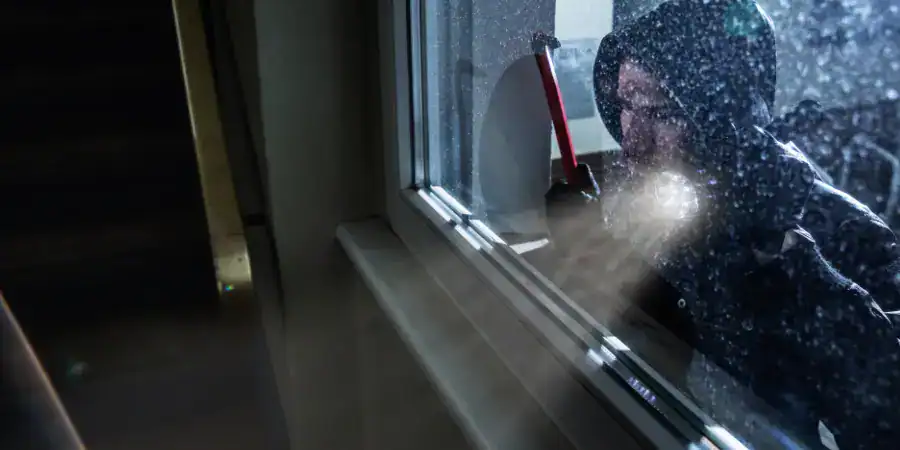
“Burglary tourism” now plagues Southern California, with crews of foreign nationals targeting high-end homes and quickly moving stolen goods to resale networks.
These crews typically target affluent neighborhoods and homes, where they expect to find cash, jewelry, and small, high-value goods (easy to carry and resell).
They strike when residents are away or when routines suggest the house is empty.
Common Operating Pattern
- Crews may “case” areas and homes to confirm occupancy patterns. Sometimes, they use concealed cameras to monitor targets.
- Incidents are often quick and focused on master bedrooms, closets, safes, and other likely valuables.
- Reports often mention multiple people with different roles (e.g., lookout/driver/entry), using rental cars, changing phones, and moving across jurisdictions.
- Stolen goods are moved to intermediaries and resale networks. Federal and national cases involve organized resale pathways and coordination.
Securing Your Home
Many effective security improvements are simple DIY projects needing basic tools and a free weekend. Layered security makes your home less attractive to burglars, who seek the easiest target.
This guide outlines steps to harden home security with physical barriers, landscaping, and smart technology you can install yourself.
Defensive Landscaping
Strategic landscaping does more than boost curb appeal or reduce fire risk; it also deters intruders. Southern California gardeners can easily blend aesthetics and security.
Maintain Visibility
Overgrown landscaping provides cover for someone trying to open a window or force a door.
- Keep hedges near windows under three feet tall.
- Prune tree branches to at least six feet off the ground. This prevents people from hiding or using limbs to climb.
- Ensure your front door and main windows are visible from the street.
Plant Natural Barriers
Certain plants serve as painful obstacles for intruders.
- Bougainvillea: Beautiful but filled with sharp thorns, ideal for fence lines or beneath windows.
- Roses: A classic choice that doubles as a deterrent when planted under ground-floor windows.
- Cactus and Succulents: Large agave or prickly pear varieties create formidable barriers along property lines. Cholla is nearly impenetrable.
Fortify Entry Points: Doors & Locks
Most burglars enter through the front or back door. Standard builder-grade locks and door frames are often insufficient against a strong kick. Upgrading these elements is a high-impact project.
Upgrade the Strike Plate
The metal strike plate is often the weak point, as builders use short screws that only attach to door trim.
- Replace ¾-inch screws with 3-inch ones to reach the structural stud.
- Install heavy-duty plates with four screw holes for added strength.
Secure Sliding Glass Doors
Sliding doors are easy to force open or lift from tracks.
- Wooden dowel: Place a thick wooden dowel or metal bar in the bottom track to prevent the door from sliding.
- Auxiliary locks: Install a foot bolt or a secondary pin lock at the top or bottom of the frame.
- Anti-lift shim: Install screws in the upper track to reduce vertical clearance, making it impossible to lift the door out.
Windows: The Glass Weakness
Windows are fragile access points. While you want to let that California sunshine in, you need to keep intruders out.
Visual Deterrents and Physical Locks
- Secondary locks: Install sash locks or window pins. These allow you to open the window a few inches for ventilation while preventing it from opening fully.
- Security film: Apply shatter-resistant film to ground-floor windows. It holds the glass together if smashed, delaying entry.
- Visible sensors: Place alarm sensors where they can be seen from the outside.
Lighting: Eliminate the Shadows
Proper lighting makes your home risky to approach.
Motion-Activated Lights
Install motion-sensing floodlights at key points of your home.
- Placement: Cover the driveway, backyard, and side alleys.
- Solar options: Use solar-powered motion lights for areas without hardwiring.
Smart Bulbs & Timers
A dark house signals an empty house. Create the illusion of occupancy.
- Install dusk-to-dawn sensors, so porch lights turn on automatically at night.
- Connect indoor lamps to smart plugs. Set schedules to turn lights on and off in different rooms to mimic activity.
- Install automatic window shades and schedule them to open and close at different times.
Technology: Eyes on the Property
Modern DIY security tech is affordable and easy to install.
Video Doorbells
A video doorbell is one of the most effective deterrents available.
- Two-way audio: Speak to whoever is at the door, even if you aren’t home.
- Motion alerts: Get notified when someone approaches your porch, not just when they ring the bell.
- Recordings: Cloud storage allows you to review footage if a package goes missing or suspicious activity occurs.
Outdoor Cameras
Wireless cameras can last for months on a single battery charge and connect to Wi-Fi.
- Mount cameras where they are easily seen. The presence of a camera is often enough to stop a crime.
- Ensure your cameras have infrared capabilities for clear footage after dark.
Other Security Measures
- Consider replacing traditional locks with electronic keypads. No need to worry about lost keys or spare keys falling into the wrong hands.
- Invest in a professionally-monitored alarm system for added peace of mind.
- Secure your valuables in a high-quality safe that is bolted to the floor or wall.
Vacation Habits: Don’t Broadcast Your Absence
When you head out for a vacation, your behavior matters as much as your hardware. Don’t give thieves a roadmap to your empty house.
- A pile of mail or newspapers is a clear sign no one is home. Request a hold from USPS or ask a neighbor to collect it.
- Ask a neighbor to pull your trash cans in and out on collection day.
- Post your vacation photos after you return. Posting on social media in real-time tells the world your house is empty.
Reinforce the Garage
The garage contains tools (which burglars can use to break into the main house) and often leads directly inside.
- Keep it closed: It sounds simple, but keeping the garage door closed even when you are home prevents people from “shopping” your belongings.
- Zip tie the release: Secure the emergency release cord on your automatic opener with a zip tie. Thieves can use a coat hanger to fish for this cord and release the door from the outside.
- Lock the interior door: Treat the door between the garage and the house like an exterior door. Keep it deadbolted.
Neighborhood Watch: Community Power
Technology and hardware help, but good neighbors help more.
- Know your neighbors: Exchange numbers with the people living on either side of you and across the street.
- Report suspicious activity: If you notice anything unusual, call the non-emergency police line.
- Join online groups: Apps like Nextdoor can be useful for sharing local safety alerts, but always verify the information before taking action.
FAQs: Protecting Your Home from Burglary
Q: Is a wired security system better than a wireless DIY system?
Wired systems are generally more reliable as they don’t depend on Wi-Fi or batteries. However, wireless DIY systems are significantly cheaper, easier to install, and more portable if you need to move. For most homeowners, modern wireless tech offers sufficient protection.
Q: Do fake security cameras actually work?
They can work as a visual deterrent for opportunistic thieves, but experienced burglars can often spot a fake. Real cameras have become so affordable that it is usually worth the investment to install a functioning one.
Q: Will a dog prevent a burglary?
Dogs are excellent deterrents due to their bark. The noise draws attention, which burglars want to avoid. However, a dog should not be your only security measure, as they can be distracted or harmed.
Q: What is the best way to secure a sliding glass door?
The most effective method is a physical block in the track, such as a “Charlie bar” or a cut-to-length wooden dowel. This prevents the door from sliding open even if the lock is picked or broken.
Q: Where should I hide my spare key?
Don’t hide a key under the doormat or a flower pot. These are the first places thieves look. Give a spare key to a trusted neighbor or use a wall-mounted lockbox with a code installed in a discreet location.
Q: Does strict HOA landscaping affect security?
Sometimes. If your HOA requires specific hedges that block windows, bring up security concerns at a meeting. You can often work within the rules by choosing thorny variations of approved plants or keeping the approved plants trimmed aggressively.
Q: How effective are window breakage sensors?
They serve as a valuable secondary layer of defense. If a burglar decides to smash the glass rather than pry the window (which bypasses the contact sensor), the breakage sensor will trigger the alarm.
Q: Should I leave a light on when I leave the house?
Leaving the same light on 24/7 signals that you’re gone. It’s better to use smart plugs or timers to turn lights on and off at random intervals, simulating someone moving from room to room.