

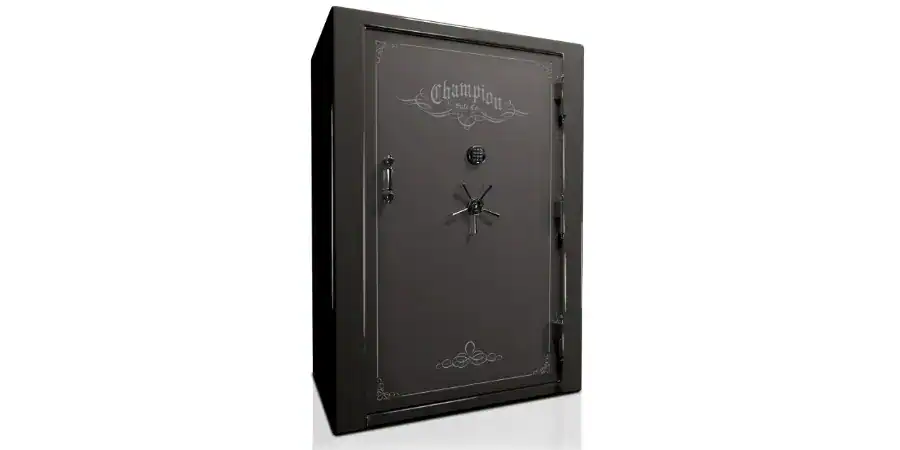
You find a gun safe online. It’s cheap. It holds twenty rifles. It ships free.
You buy it. A week later, you realize the metal is thin enough to dent with a hammer. The lock feels like a toy. You didn’t buy security. You bought a metal cabinet.
In the safe industry, low price often masks poor quality. Manufacturers cut corners on steel thickness, fireproofing, and lock mechanisms to hit an attractive price point.
Here’s what you should know when protecting your firearms.
Steel Gauge Thickness
The most critical factor in safe construction is steel thickness, measured in gauges. A lower gauge number means thicker steel.
Cheap safes often use 14-gauge or 16-gauge steel. You can cut through this with a standard fire axe or a reciprocating saw in minutes.
The Sweet Spot
Look for 12-gauge steel or lower.
- 14-16 Gauge: Thin. Easy to breach. Basically a locker.
- 11-12 Gauge: Standard residential security. Resistant to basic hand tools.
- 10 Gauge: Serious protection. Hard to cut or pry.
- 7 Gauge and lower: Commercial grade. Extremely heavy and secure.
Thickness also adds weight. A heavy safe is harder to steal. If two people can pick up your safe and walk out with it, the quality of the lock doesn’t matter.
Fire Ratings Explained
No universal fire rating standard exists for gun safes in the United States. Manufacturers test their own safes. They can claim whatever they want.
Don’t blindly trust the sticker on the door. Look for the details of the test.
What to Verify
- Temperature: At what temperature was the safe tested? 1200°F is the residential fire standard.
- Duration: How long did the test last? 30 minutes is the minimum. 60 to 90 minutes is better.
- Internal Temperature: How hot did it get inside? If the internal temperature exceeds 350°F, papers will char, and guns will be damaged.
The Construction Method
Look for fireboard or gypsum layers. More layers usually equal better fire protection. Also, check for a heat-expanding door seal (Palusol). This seal expands when hot, sealing the door gap to keep smoke and heat out.
Locking Mechanisms
The lock should work every time you need it, and never when a thief tries it.
Electronic Locks
- Pros: Fast access. Easy to change combinations.
- Cons: Batteries die. Electronics can fail over time.
- Verdict: Good for frequently accessed safes. Buy a high-quality brand. Avoid generic imported locks.
Mechanical Dial Locks
- Pros: Extremely reliable. No batteries. Last for decades.
- Cons: Slower to open. Harder to change the combination.
- Verdict: Best for long-term storage or apocalypse scenarios. If you don’t need instant access, get a dial.
Biometric Locks
- Pros: Fastest access.
- Cons: High failure rate on cheaper models. Wet or dirty fingers cause errors.
- Verdict: Only buy high-end models. Keep a backup key handy.
Door Construction & Bolts
A thick door discourages pry attacks, but bolts are what actually hold the door shut.
Bolt Count vs. Bolt Position
Marketing materials often brag about the number of bolts. “18 Locking Bolts!” sounds impressive. It’s misleading.
Four evenly distributed massive bolts are stronger than 18 thin bolts.
What to Look For
- Active vs. Dead Bolts: Active bolts move. Dead bolts stay fixed on the hinge side. You need bolts on all four sides of the door for maximum pry resistance.
- Bolt Diameter: Thicker is better. Look for at least a 1-inch diameter.
- Anti-Pry Tabs: Some safes include steel tabs that reinforce the bolt work against pry bars.
Security Ratings (RSC)
Look for a UL (Underwriters Laboratories) certification. This is an independent test.
The most common rating is RSC (Residential Security Container).
- Level I: Withstands a 5-minute attack by one person using simple hand tools (screwdrivers, hammers, small pry bars).
- Level II: Withstands a 10-minute attack with more aggressive tools.
If a safe has no UL rating, it has not been independently verified. It is likely a metal cabinet, not a safe.
Size & Internal Organization
Safe capacity is the industry’s biggest lie.
A “24-gun safe” holds 24 guns only if they are bare rifles with no scopes, bolts removed, stacked like sardines. In reality, a “24-gun safe” holds about 12 rigged firearms comfortably.
The Golden Rule of Sizing
Buy one size larger than you think you need. You will acquire more gear. You will store documents, jewelry, and cash. You will run out of space.
Interior Features
- Adjustable Shelving: Essential. You need to configure the space for long rifles or short carbines.
- Door Organizers: Great for pistols and magazines. They free up shelf space.
- Lighting: Dark safes are annoying. Built-in LED kits are worth the extra cost.
Installation & Location
The best safe in the world is useless if a thief can tip it over.
Bolting it Down
You must bolt your safe to the floor. Most safes come with pre-drilled holes for this. Use concrete anchors.
Bolting prevents:
- Theft of the entire unit: Thieves often use dollies to roll safes out.
- Tipping attacks: Thieves tip a safe over to get better leverage with a pry bar.
Placement
- Basement: Good for weight support and fire protection (heat rises). Bad for flood risk. Raise the safe on a concrete puck or platform.
- Garage: Convenient but insecure. Thieves can back a truck right up to it. Temperature fluctuations cause humidity issues.
- Bedroom: Good for quick access. Verify that your floor joists can handle the weight.
Warranty and Support
A safe is a lifetime purchase. Read the warranty fine print.
- Lock Warranty: Often shorter than the steel warranty. One year is standard for electronics; five years is better.
- Fire/Theft Replacement: Some companies will replace your safe at no cost if it’s damaged in a fire or during a break-in attempt. This is a valuable service.
- Shipping Costs: Who pays to ship the damaged safe back? Freight is expensive. Look for companies that cover round-trip shipping on warranty claims.
Humidity Control
Steel rusts. If you put guns in a sealed steel box, moisture gets trapped.
You need a dehumidifier.
- Desiccant Packs: Cheap silica gel. Suitable for small safes. Require recharging in an oven.
- Electric Rods: The gold standard. They slightly heat the air inside the safe to circulate it and prevent condensation. They require a hole for the power cord (most good safes have this pre-drilled).
The Verdict on Budget
Don’t buy the cheapest safe at a big-box store. Those are deterrents for children, not thieves.
Save your money until you can afford a safe with:
- 12-gauge steel or thicker.
- A UL-listed lock.
- A verifiable fire rating.
- Enough weight to be difficult to move.
Your firearms are an investment. Protect them with equipment that actually works.
FAQs About Gun Safes
What is the difference between a gun safe and a gun cabinet?
A gun cabinet is typically made of thin sheet metal (16-18 gauge) and uses a simple key lock. It provides storage and keeps honest people out, but offers zero fire protection and minimal theft protection. A gun safe uses heavier steel, complex locking mechanisms, and fire-resistant materials.
Can I store ammo inside my gun safe?
Yes, you can. However, ammo takes up valuable space. In a fire, ammunition may cook off, but it usually doesn’t explode with enough force to breach a quality safe. Fire officials often recommend storing ammo in a separate, fire-resistant container to minimize risk.
How do I move a heavy gun safe?
Don’t attempt this alone. Rent a heavy-duty appliance dolly and enlist friends to help. For safes over 500 pounds, hire professional safe movers. They have the specialized equipment to navigate stairs and protect your floors. The cost is worth avoiding a back injury.
What happens if the electronic lock battery dies?
Your combination is stored in non-volatile memory. It won’t be erased. Most electronic locks have the battery compartment on the outside of the door (behind the keypad). Replace the 9V battery, and the code will work again.
Is a mechanical lock more secure than an electronic one?
Not necessarily more secure against drilling, but more reliable over time. Electronic locks can fail due to EMPs (rare) or component degradation (common). Mechanical locks have been used for over a century because they’re simple and durable.
Why does my safe handle feel loose?
This is a design feature called a “clutch” or “slip clutch.” It prevents force from being transferred directly to the locking mechanism. If a thief kicks or forces the handle, it slips rather than breaking the internal bolts. It doesn’t mean your safe is broken.
How often should I service my gun safe?
Mechanical locks should be serviced by a locksmith every 5 years to keep the tumblers clean. Electronic locks need zero maintenance other than battery changes. You should grease the locking bolts annually to keep the action smooth.
Does a gun safe lower my insurance premiums?
It can. Many insurers offer discounts for verified safe storage. Contact your agent and provide the make, model, and UL rating of your safe to see if you qualify for a premium reduction.