
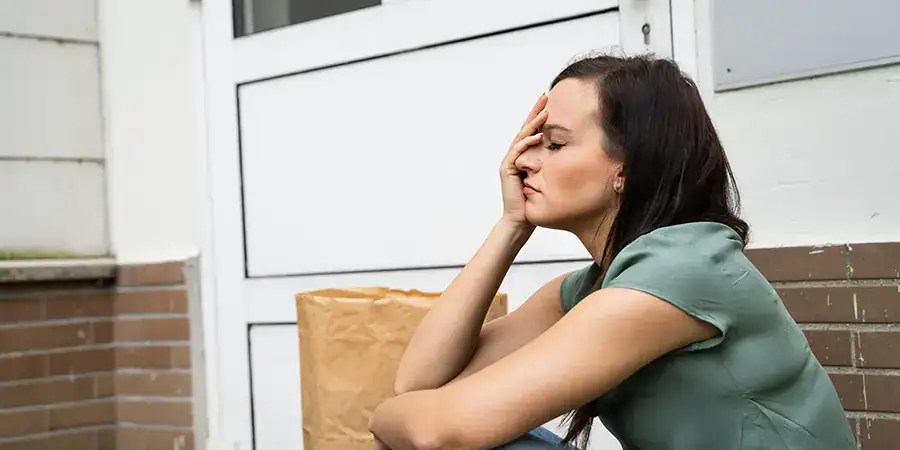
Getting locked out of your home can be stressful, expensive, and completely avoidable. The right lock helps prevent lockouts while improving security and convenience.
For homeowners and property managers in Orange County, choosing a lock with reliable keyless entry, smart access features, and strong security can reduce emergency locksmith calls and make property access easier.
Here’s how to choose the best lock for your home or rental property.
Why the Right Lock Matters More Than You Think
Many lockouts happen because of outdated or inconvenient hardware. A lock that’s hard to use, prone to mechanical failure, or incompatible with modern access needs is a lockout waiting to happen.
The best locks for preventing emergency lockouts share a few key traits:
- Reliable mechanisms that don’t jam, freeze, or wear out quickly
- Multiple entry methods so you’re never dependent on one key or one person
- Easy rekeying or code changes when keys go missing, or tenants change
- Weather-resistant construction that holds up in Southern California’s sun, salt air, and occasional heat spikes
- Battery backup or fail-safe options for smart or electronic locks
Smart Locks: The Most Effective Lockout Prevention Tool
Smart locks are the top choice for homeowners who want flexibility without sacrificing security. They offer significant advantages:
- Keyless entry via smartphone, fingerprint, or PIN — you can always get in, even without a physical key
- Remote access capabilities — unlock your door for a family member, contractor, or property manager from anywhere
- Auto-lock features prevent accidentally leaving your door unlocked
- Activity logs let property managers and landlords track who enters and when
- Temporary access codes are ideal for short-term rentals, Airbnb guests, or service visits
Top considerations when choosing a smart lock:
- Physical key override as a backup
- Low-battery alerts sent to your phone
- Compatibility with your existing door hardware and deadbolt prep
- Strong customer support and regular firmware updates
Popular options include Schlage Encode, Yale Assure, and August Smart Lock Pro.
Keypad Deadbolts: Simple, Reliable, and Renter-Friendly
If a full smart lock feels like too much, a keypad deadbolt is an excellent middle-ground option, especially for rental properties and multi-family units.
- No smartphone required — just enter a code and you’re in
- Easy code changes when tenants move out, eliminating the need to rekey or replace the lock
- Battery-powered, with most models lasting 6–12 months on standard batteries
- Multiple user codes allow family members, cleaners, or guests to have their own access
- No key to lose, copy, or forget
What to look for:
- A model with an emergency battery terminal on the outside so you can power it up even if the internal battery dies
- Grade 1 or Grade 2 ANSI/BHMA rating for durability and security
- Weather-resistant housing, especially for exterior doors facing direct sun in Southern California
Traditional Deadbolts With Key Control: A Proven Classic
Sometimes the best solution is a well-made traditional deadbolt, upgraded with one important feature: key control.
Key control systems (like Medeco, Mul-T-Lock, or Schlage Primus) use patented keyways that prevent unauthorized key duplication. This matters because:
- Spare keys can’t be copied at a hardware store without authorization
- You maintain tighter control over who has access to your property
- They’re ideal for homeowners who prefer physical keys but want to reduce the risk of lost or copied keys causing security problems
Additional benefits:
- No batteries, no apps, no connectivity issues
- Extremely durable — quality deadbolts can last decades with minimal maintenance
- Works well as a secondary lock alongside a smart lock or keypad system
Lever Handle Locks: Accessibility & Convenience
Lever handles are common on interior and secondary doors, but are also useful on exterior entries when paired with a deadbolt.
- Easier to operate than round knobs, especially for older adults, children, or anyone carrying items
- Reduces fumbling at the door — a leading cause of frustration and accidental lockouts
- Available in ADA-compliant designs for rental properties that need to meet accessibility standards
Note for property managers: California rental properties may have ADA or habitability requirements that make lever hardware a smart, compliant choice for common entries.
Backup Entry Solutions: Your Emergency Safety Net
Even the best lock can fail. Smart homeowners and property managers in Orange County layer their security with backup access options:
- Lockbox or key safe mounted near a secondary entry — useful for family members, housekeepers, or emergency responders
- Secondary keyed entry point on a back or side door with a different lock from your main entry
- Trusted neighbor or property manager spare key — a low-tech but highly effective solution
- Smart lock with physical key cylinder — provides both keyless and traditional access
- Property management systems with master key or code access for landlords managing multiple units
Key Considerations for Orange County Homeowners & Property Managers
Your local climate and property type shape which locks will perform best long-term:
- Sun and heat exposure: UV rays and high temperatures can degrade plastic components on cheaper locks. Choose metal-bodied locks with UV-resistant finishes.
- Coastal salt air: If your property is near the coast in Huntington Beach, Newport Beach, or Laguna Beach, look for locks with corrosion-resistant coatings or stainless steel hardware.
- Rental turnover: Keypad deadbolts or smart locks with reprogrammable codes save significant time and money compared to rekeying after every tenant.
- HOA rules: Some condo and townhome communities have restrictions on exterior hardware. Check before purchasing.
- Family access needs: Households with children, elderly family members, or frequent guests benefit most from keypad or smart lock options.
FAQs: Best Locks for Preventing Lockouts
Q: What is the best lock to prevent getting locked out of my house?
A smart lock or keypad deadbolt offers the highest protection against lockouts because they don’t rely on a single physical key. Look for models with multiple access methods and a backup key cylinder.
Q: Are smart locks safe to use on a front door?
Yes. High-quality smart locks like Schlage Encode or Yale Assure carry Grade 1 security ratings — the same level as top traditional deadbolts — and include encryption to prevent hacking.
Q: How often should I change my keypad or smart lock codes?
Change codes whenever a tenant moves out, after a service visit where a code was shared, or if you suspect a code has been compromised. For smart locks, most experts recommend updating codes every 3–6 months as a best practice.
Q: What happens if my smart lock battery dies?
Most smart locks send low-battery alerts to your phone before the battery dies. Many also include an exterior 9-volt emergency terminal that lets you temporarily power the lock with an external battery. Always keep the physical key backup accessible as a last resort.
Q: Can I rekey a smart lock myself?
Some smart locks allow you to change codes independently, but physical rekeying of the lock cylinder typically requires a locksmith. Schlage and Kwikset offer homeowner rekey kits for their traditional and some smart lock lines.
Q: Are keypad locks good for rental properties?
Absolutely. Keypad deadbolts are one of the best investments for landlords and property managers. You can change codes between tenants in minutes, assign separate codes to different residents, and eliminate the cost and hassle of key duplication and rekeying.
Q: Do traditional deadbolts still make sense in 2026?
Yes, especially high-security deadbolts with key control features. They’re highly durable, require no power source, and pair well with smart locks as a secondary locking layer. For property owners who prefer simplicity or want a backup to electronic systems, they remain an excellent choice.
Q: Where can I get my locks professionally installed or assessed in Orange County?
A licensed local locksmith can assess your current hardware, recommend upgrades based on your property type and neighborhood, and handle professional installation. Look for a locksmith licensed by the California Bureau of Security and Investigative Services (BSIS) and with verified reviews on Google or Yelp.