

You locked your front door, heard the click, and assumed you were safe.
But what if a burglar could walk through that same door in under 30 seconds — without a key, without breaking anything, and without leaving a single trace?
It’s called lock bumping, and it works on standard residential locks with terrifying ease. Here is how it happens, why your front door might be vulnerable, and how to upgrade to a bump-proof cylinder today.
What Is Lock Bumping?
Inside a standard door lock, spring-loaded pins block the cylinder from turning. Inserting the correct key lifts these pins to the exact right height, allowing the lock to rotate and open.
Lock bumping is a break-in method used to open standard door locks using a specially cut “bump key.”
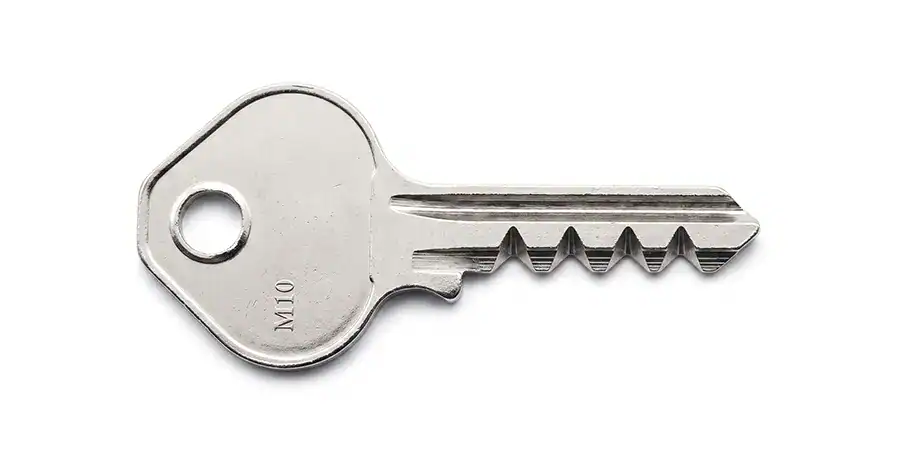
A bump key is filed down so all its ridges are at the lowest level. When tapped with a tool — like a screwdriver handle — the energy makes the lock’s internal pins jump. Turning the key at that exact moment opens the door.
It requires almost no skill, can be learned from a quick online video, and works on most standard home locks.
Which Locks Are Most Vulnerable?
Standard pin tumbler locks — including many entry-level Kwikset and Schlage models — are susceptible to bumping. If your lock cylinder is a basic, builder-grade unit that came pre-installed when the house was built, there’s a good chance it’s vulnerable.
A few characteristics increase bump vulnerability:
- Loose pin tolerances: Cheaper locks have less precise manufacturing, which allows pins to jump more during impact.
- No security pins: Basic cylinders contain only standard driver pins, with no additional resistance to manipulation.
- No anti-bump features: Many standard locks lack mechanisms designed to counter bumping.
If you’re not sure what type of cylinder is in your door, check the brand name stamped on the face of the lock or the keyway. A quick search will tell you whether it’s a basic or security-grade cylinder.
What Are Security Pins & Why Do They Matter?
The most effective mechanical defense against bump attacks is the security pin.
Security pins are modified driver pins that create additional resistance when a bump key is used. The two most common types are:
- Spool pins: Shaped like a spool of thread, these pins create a false set — a momentary point of resistance that feels like the lock is about to open, but actually isn’t. This trips up burglars relying on feel and timing.
- Serrated pins: These have multiple serrations along their length, creating several false sets in sequence. Each one must be cleared before the lock can open, dramatically increasing the difficulty of both bumping and picking.
High-security lock cylinders — such as those rated by ANSI/BHMA Grade 1 — typically use a combination of spool and serrated pins as standard. Many also incorporate sidebar mechanisms or other proprietary technologies that make bumping nearly impossible.
How to Identify a Bump-Proof Lock Cylinder
Not all locks marketed as “high-security” live up to their billing. Here’s what to look for:
- ANSI/BHMA Grade 1 rating: This is the highest residential security rating in the U.S. Grade 1 locks are tested for durability, strength, and resistance to forced entry.
- UL 437 listing: A Underwriters Laboratories certification that indicates the lock has been tested for resistance to picking, drilling, and bypass techniques — including bumping.
- ANSI/BHMA Grade 1-rated cylinders: Brands like Medeco, Mul-T-Lock, and ASSA Abloy manufacture cylinders that combine security pins, restricted keyways, and anti-drill plates.
- Patented keyways: High-security cylinders often use restricted keyways, meaning duplicate keys can only be cut by authorized dealers. This protects against unauthorized key copying.
How to Upgrade to a Bump-Proof Lock Cylinder
You don’t necessarily need to replace the entire lockset. In most cases, you can replace just the cylinder inside your existing deadbolt or knob lock.
- Identify your lock brand and model. Check the brand on your lock face or the model number on the packaging if you still have it.
- Purchase a compatible high-security cylinder. Brands like Medeco, Mul-T-Lock, and Schlage B-series (with SecureKey technology) offer upgrade cylinders that fit standard lock bodies. Your local Southern California locksmith or hardware store can help match a cylinder to your existing hardware.
- Remove the existing cylinder. For most deadbolts, this involves removing the interior escutcheon plate with a screwdriver, then loosening the set screw that holds the cylinder in place.
- Insert the new cylinder. Slide the new cylinder into the lock body, ensuring the cam (the rotating tail piece) engages correctly with the locking mechanism.
- Test thoroughly. Before reassembling everything, test the lock with the new keys from both sides to confirm smooth operation.
If you’re replacing a full lockset rather than just the cylinder, look for deadbolts that are ANSI Grade 1-rated and explicitly advertised as bump- or pick-resistant.
Additional Layers of Protection
No single security measure is foolproof. Consider pairing your cylinder upgrade with:
- Reinforced strike plates: A longer, heavy-duty strike plate with 3-inch screws anchored into the door frame’s stud — not just the trim — dramatically increases kick-in resistance.
- Door frame reinforcement kits: Products like Door Armor or StrikeMaster II reinforce the weakest point of most doors.
- Smart locks with alarm features: Some smart locks detect and alert you to manipulation attempts, adding a layer of monitoring.
- Security cameras at entry points: Visible cameras deter opportunistic burglars before they ever try the lock.
FAQs: Lock Bumping & Bump-Proof Cylinders
Q: Is lock bumping actually common among burglars?
It’s more common than many homeowners suspect. While smash-and-grab entry and kick-ins are still frequent, lock bumping appeals to burglars precisely because it leaves no visible damage, making it harder to detect and document for insurance purposes. Bump keys can be purchased online or made from a standard key blank with a file.
Q: Can a bump-proof cylinder be picked?
No lock is 100% pick-proof, but high-security cylinders with spool pins, serrated pins, and sidebar mechanisms are significantly harder to pick than standard cylinders. Certified high-security locks like Medeco and Mul-T-Lock are designed to resist both bumping and conventional picking techniques.
Q: How much does it cost to upgrade to a bump-proof cylinder?
Cylinder upgrades vary by brand and security level. Basic bump-resistant cylinders start around 30–50, while premium options from Medeco or Mul-T-Lock range from 80–200 per cylinder. Professional installation typically adds 50–100 per lock. For most homeowners, upgrading two or three entry points runs 200–500 total — a fraction of the cost of a break-in.
Q: Do I need to replace the whole lock or just the cylinder?
In most cases, you only need to replace the cylinder. Most standard deadbolts use a removable cylinder that can be swapped out without changing the entire lockset. However, if your lock body is worn or damaged, a full replacement may be worthwhile.
Q: Will a bump-proof cylinder work with my existing keys?
No. A new cylinder comes with its own keys. If you’re upgrading multiple locks, ask about rekeying them to the same key for convenience — many locksmiths can do this at the time of installation.
Q: Are smart locks bump-proof?
Smart locks that use electronic keypads or Bluetooth access instead of a traditional keyway eliminate the risk of bump attacks entirely on the digital side. However, many smart locks still include a physical key override cylinder as a backup — and that cylinder may or may not be bump-resistant. Check the specifications before purchasing.
Q: Is it legal to own a bump key?
In most US states, including California, owning a bump key is not illegal in itself. However, entering a property without authorization is burglary. The legal ambiguity around ownership is one reason bump keys are so accessible — and why upgrading your cylinders is a smart proactive step.
Q: How do I know if my current lock has been bumped?
That’s the tricky part — bumping typically leaves no visible damage. If you notice your lock feels slightly looser than usual, or if there are small scratches or scuffs on the keyway that you didn’t make, it’s worth having a locksmith inspect the cylinder. Installing a door alarm or security camera can help detect unauthorized entry attempts before they succeed.